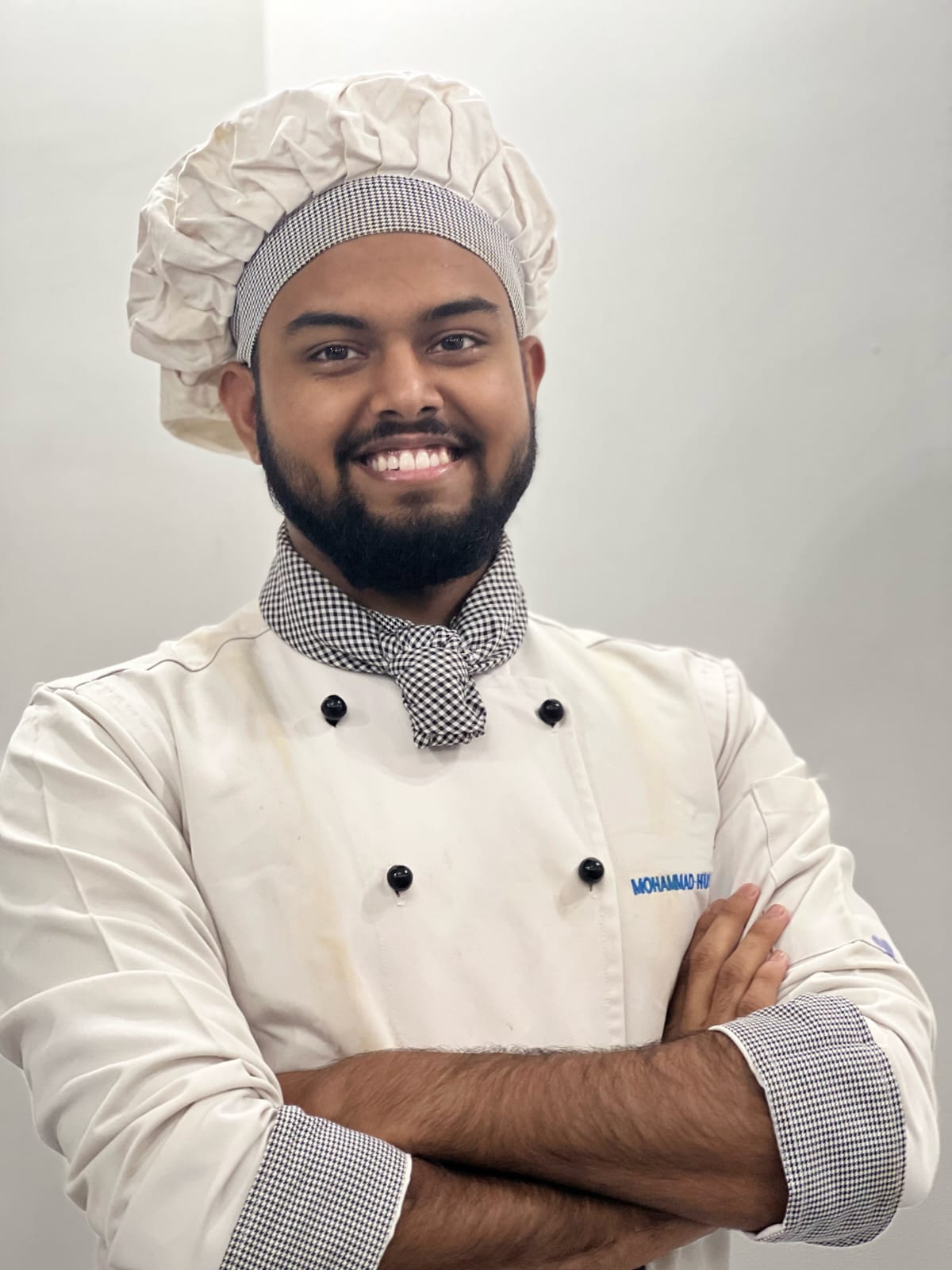
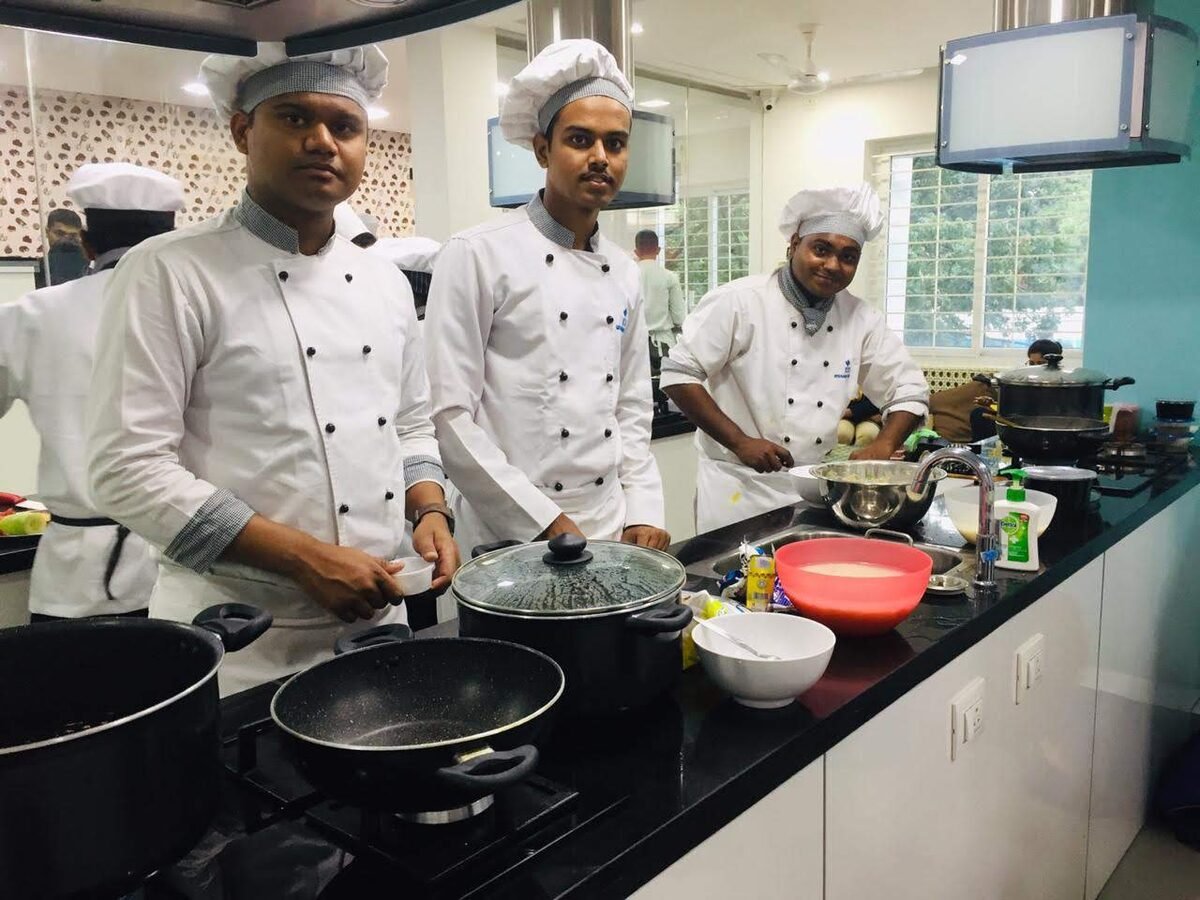
The Idea
When we talk about becoming a better chef, we often talk about recipes. We talk about learning another cuisine, mastering another sauce, perfecting another technique and adding another dish to our repertoire. But over time, I have come to believe that something else matters just as much. A chef doesn't just need more recipes. He needs more exposure.
Exposure to different kitchens, different cultures, different ingredients, different people, different systems and different challenges. Because becoming a better chef isn't simply about knowing what to cook. It is about understanding why you are cooking it, who you are cooking it for, where the ingredient comes from, how the operation works and what happens beyond the plate.
The Kitchen Is Only One Classroom
Some of the most valuable lessons in my culinary journey have not come from recipe books. They have come from professional kitchens: from observing how chefs work under pressure, understanding systems, watching how a kitchen communicates during service, making mistakes and learning how to correct them, and seeing how the same ingredient can be treated completely differently by different chefs.
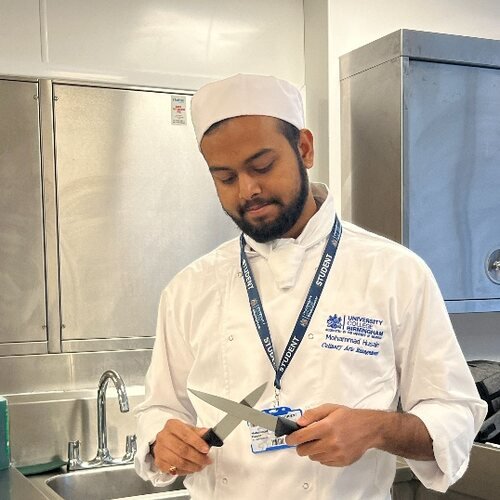
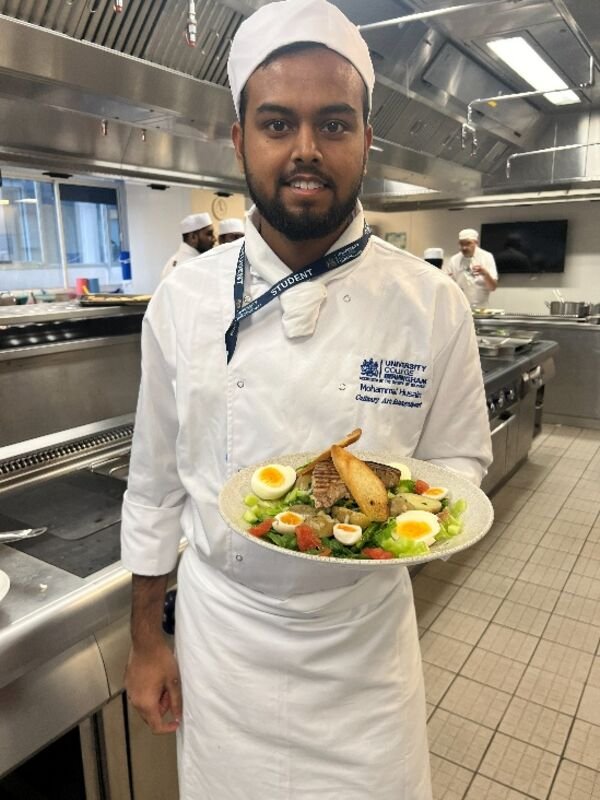
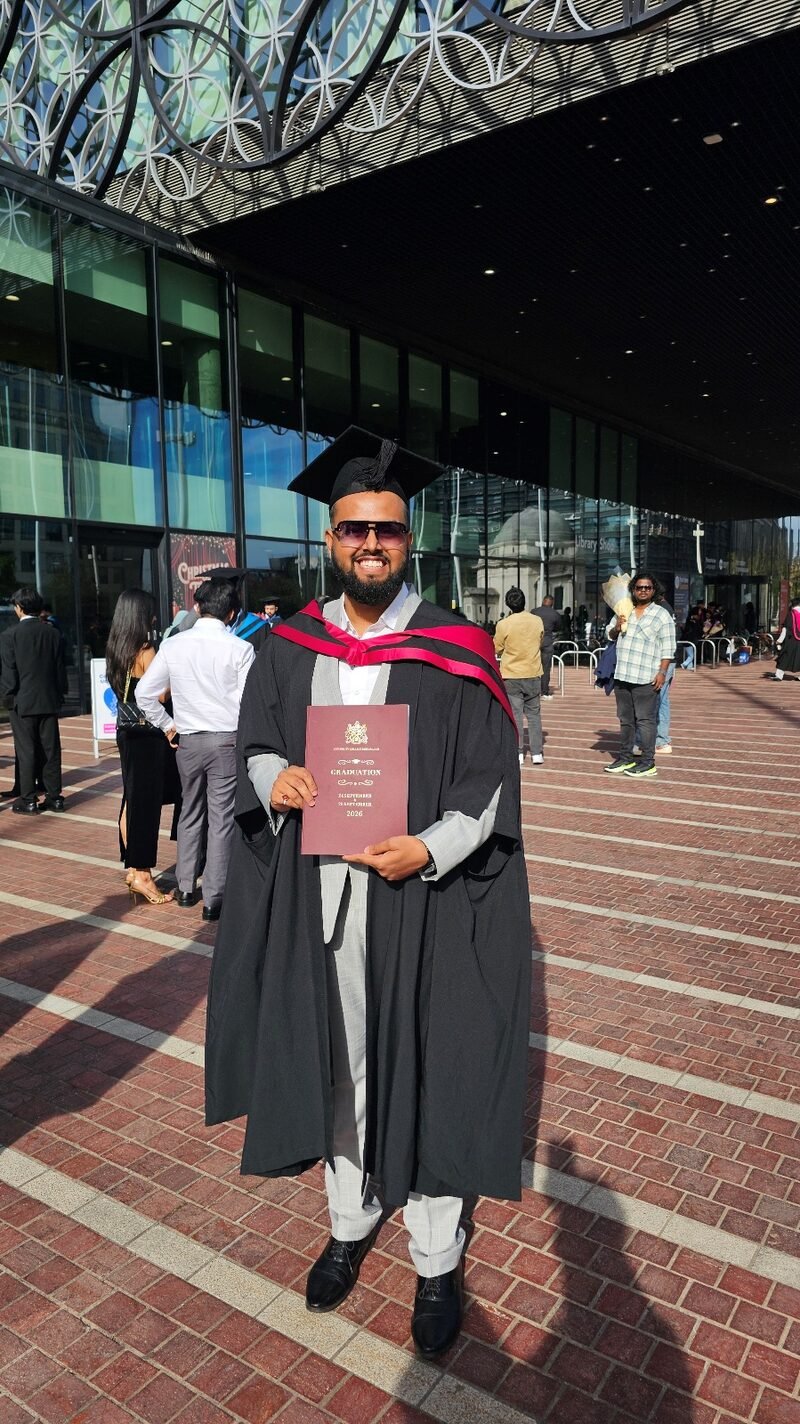
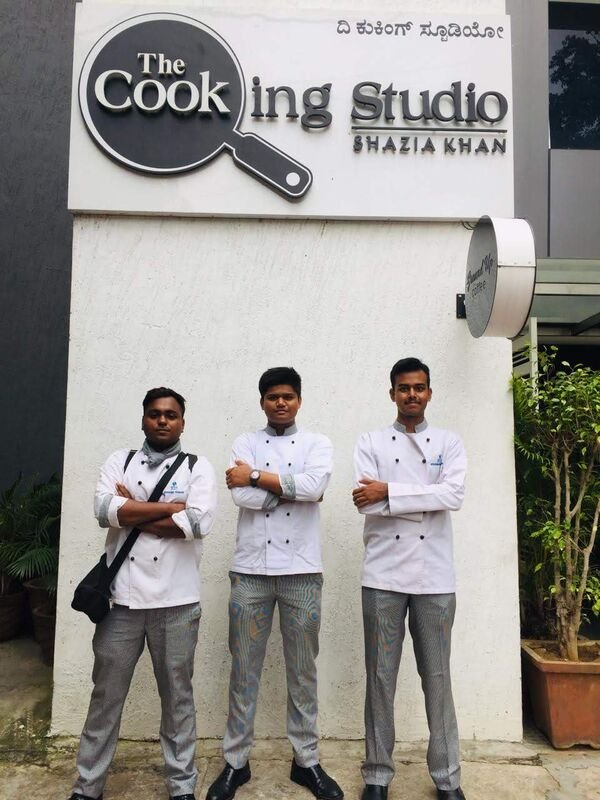
My experience in the UK gave me exposure to a different hospitality environment, different kitchen cultures and different approaches to professional cooking. Returning to India gave me another kind of exposure, one rooted in the enormous diversity, scale and complexity of Indian food culture. Neither experience was simply about learning new recipes. They changed the way I looked at food.
Step Outside Your Comfort Zone
A chef can become very comfortable in a familiar kitchen. Familiar ingredients, familiar techniques, familiar dishes and familiar guests can create confidence, but comfort can sometimes become a limitation. Growth often begins when we deliberately place ourselves in unfamiliar environments.
Visit a fish market. Talk to a butcher. Visit a farm. Watch a supplier work. Explore an ingredient you have never cooked before. Eat food you have never experienced before. Work in a kitchen that operates differently from yours. You do not have to copy everything you see. Observe it. Ask questions. Understand why someone works differently. That observation becomes part of your culinary vocabulary.

Ingredients Have Stories
One of the biggest lessons I have learned through sourcing trips and culinary workshops is that an ingredient becomes much more meaningful when you understand where it comes from. Take a fish. On a menu, it may simply appear as a name. But behind that name is an entire journey: a fisherman, a market, a supplier, a season, a method of handling, a transportation chain, a price, a chef and eventually a guest.
When you understand that journey, you begin to look at the ingredient differently. It is no longer simply something you cook. It becomes knowledge. This is why I believe chefs should spend time outside their kitchens. The more you understand about an ingredient before it reaches your cutting board, the more thoughtfully you can work with it.

Exposure Teaches You Business
There is another side to becoming a chef that is often overlooked. A restaurant is a business. Chefs who want to grow into senior culinary and leadership roles need to understand more than cooking. They need exposure to food cost, portion control, purchasing, inventory, waste management, menu engineering, labour, production planning, consistency and guest expectations.
A beautiful dish that cannot be produced consistently is a challenge. A dish that sells well but destroys your food cost is a challenge. A menu that looks impressive but creates unnecessary kitchen complexity is a challenge. The more exposure you gain to restaurant operations, the more you understand the decisions behind the plate. The plate is the final result, but a lot of work happens before it reaches the guest.
Don't Wait for Graduation
If you are a hospitality student reading this, I would give you one simple piece of advice: don't wait for your degree to give you exposure. Go looking for it yourself.
Attend workshops. Visit professional kitchens. Talk to chefs. Visit markets. Take internships seriously. Ask questions. Travel when you can. Learn about ingredients. Observe restaurant operations. Try cuisines outside your comfort zone. And do not dismiss an experience simply because it does not immediately look impressive on your CV. Sometimes the experience that seems insignificant today becomes the story that changes your career tomorrow.

Teaching Gives You Another Kind of Exposure
There is something interesting about teaching. You think you are going to teach others, and then you realise that you are learning again. Standing in front of a group of students forces you to explain things that you may have previously done instinctively. Why this technique? Why this cut? Why this cooking method? Why this ingredient? Why this process?
When you are working with hundreds of students, every question can challenge you to look at your own knowledge differently. My workshops have reinforced something I strongly believe: teaching is not a one-way exchange of knowledge. It is a conversation. Students bring curiosity, chefs bring experience, and somewhere between the two, new understanding is created.
Exposure Works Both Ways
I have learned this repeatedly through workshops, travel, restaurant operations and working with students. You may think you are going somewhere to teach. You may think you are going somewhere to learn. But you usually end up doing both.
A seafood market can teach you about ingredients. A student can teach you about curiosity. A supplier can teach you about seasonality. A restaurant can teach you about systems. A difficult service can teach you about leadership. A different culture can teach you about hospitality. Every environment has something to teach you. You just have to be willing to look for it.
Your Career Is a Collection of Experiences
Looking back, I do not think my growth as a chef has come from one particular recipe, one qualification or one kitchen. It has come from a collection of experiences.
India. The UK. Restaurant kitchens. Markets. Suppliers. Students. Workshops. Travel. Mistakes. Successes. People.
Each experience added another layer to the way I understand hospitality. And perhaps that is what makes a chef truly adaptable: not the number of recipes they know, but the number of experiences they can draw from.

The Takeaway
A recipe teaches you how to make something. Exposure teaches you how to think. And in a profession as diverse as hospitality, that difference matters.
So learn the recipe. Master the technique. Understand the theory. But then step outside the kitchen. Visit the market. Talk to people. Travel. Observe. Ask questions. Taste something unfamiliar. Teach someone else. Keep collecting experiences.
Because sometimes the next great lesson for a chef isn't another recipe. It's another experience.