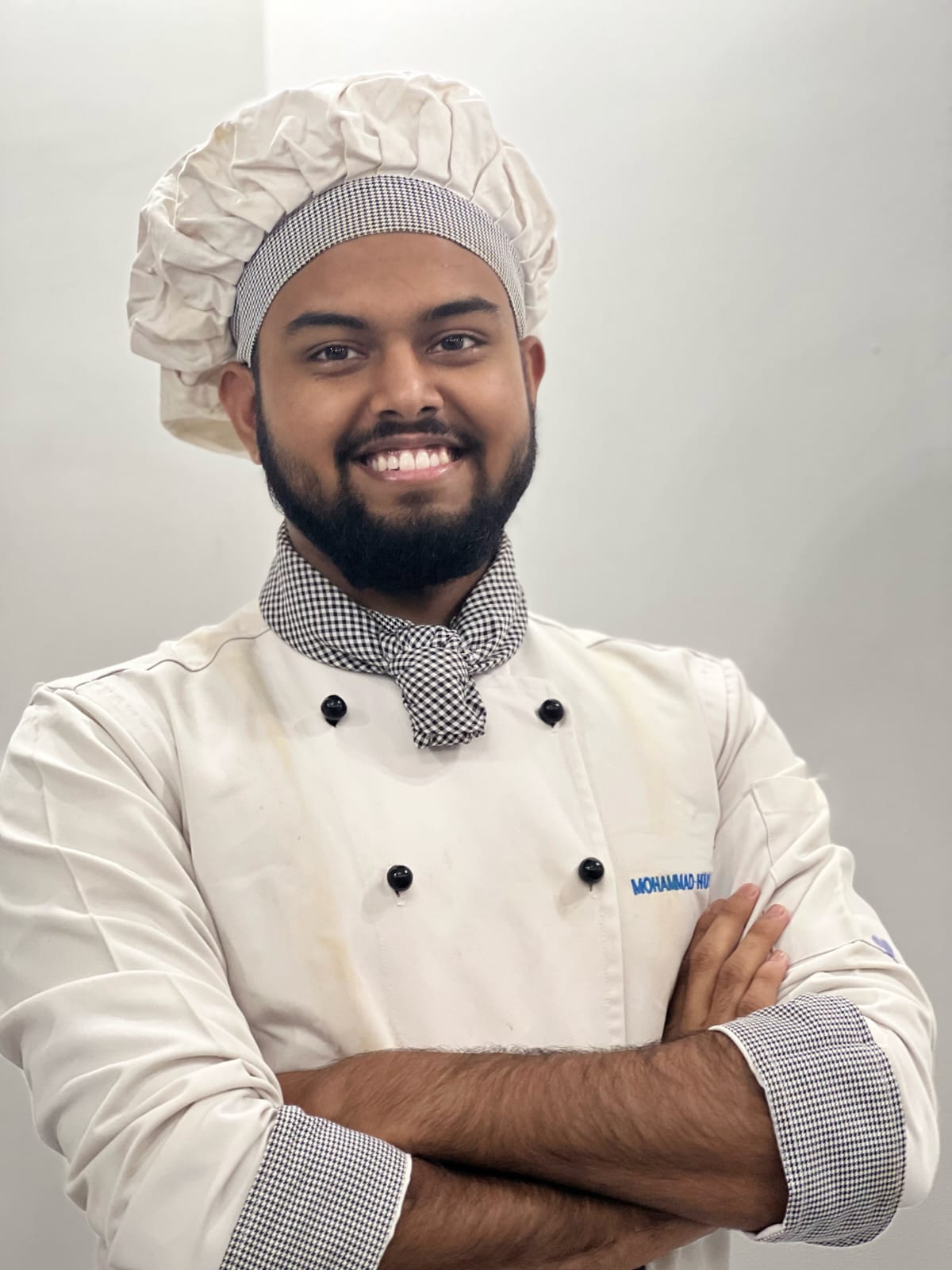
As a culinary or hotel management student, it is easy to think that becoming a good chef means learning as many recipes as possible.
You learn a new dish, memorise its ingredients, practise the technique and move on to the next one.
But your culinary education is not supposed to end with a recipe book.
Your biggest learning often begins when you step outside the classroom.
- Visit a fish market and learn how professionals identify freshness.
- Stand beside a chef during a butchery demonstration and understand how a carcass becomes usable cuts.
- Visit a food production facility and see how ingredients move through the industry.
- Work in a different kitchen and experience a completely different way of organising service.
- Taste regional food and understand how culture influences cuisine.
These experiences teach you things that a recipe cannot.
They teach you how to observe, how to ask questions, how to adapt and how to think.
As a student, you don't need to know everything. In fact, you are not expected to.
What matters is your willingness to explore.
The more exposure you get, the more connections you start making. You begin to understand why certain ingredients are used, how different cooking techniques work, why kitchens operate differently, how chefs manage pressure and where the food you cook actually comes from.
You also begin to discover what kind of chef you want to become.
- Maybe you discover an interest in butchery.
- Maybe seafood fascinates you.
- Maybe you enjoy pastry, research, teaching, menu development or large-scale food production.
You cannot always discover your direction by sitting in a classroom.
Sometimes, you have to experience it.
So, while you are studying, don't just ask:
“What recipe should I learn next?”
Ask:
“What experience can I have next?”
Attend workshops. Visit markets. Talk to chefs. Explore cuisines. Take part in competitions. Volunteer for events. Travel when you can. Step into kitchens outside your comfort zone. Ask questions—even the ones you think might sound simple.
Because every new experience adds another layer to the chef you are becoming.
Don't graduate with only a collection of recipes. Graduate with stories, experiences, skills, questions, failures, discoveries and a broader understanding of the culinary world.
Because the best chefs aren't simply the ones who know the most recipes.
They are the ones who have seen, experienced and learned enough to know what to do when the recipe isn't there.