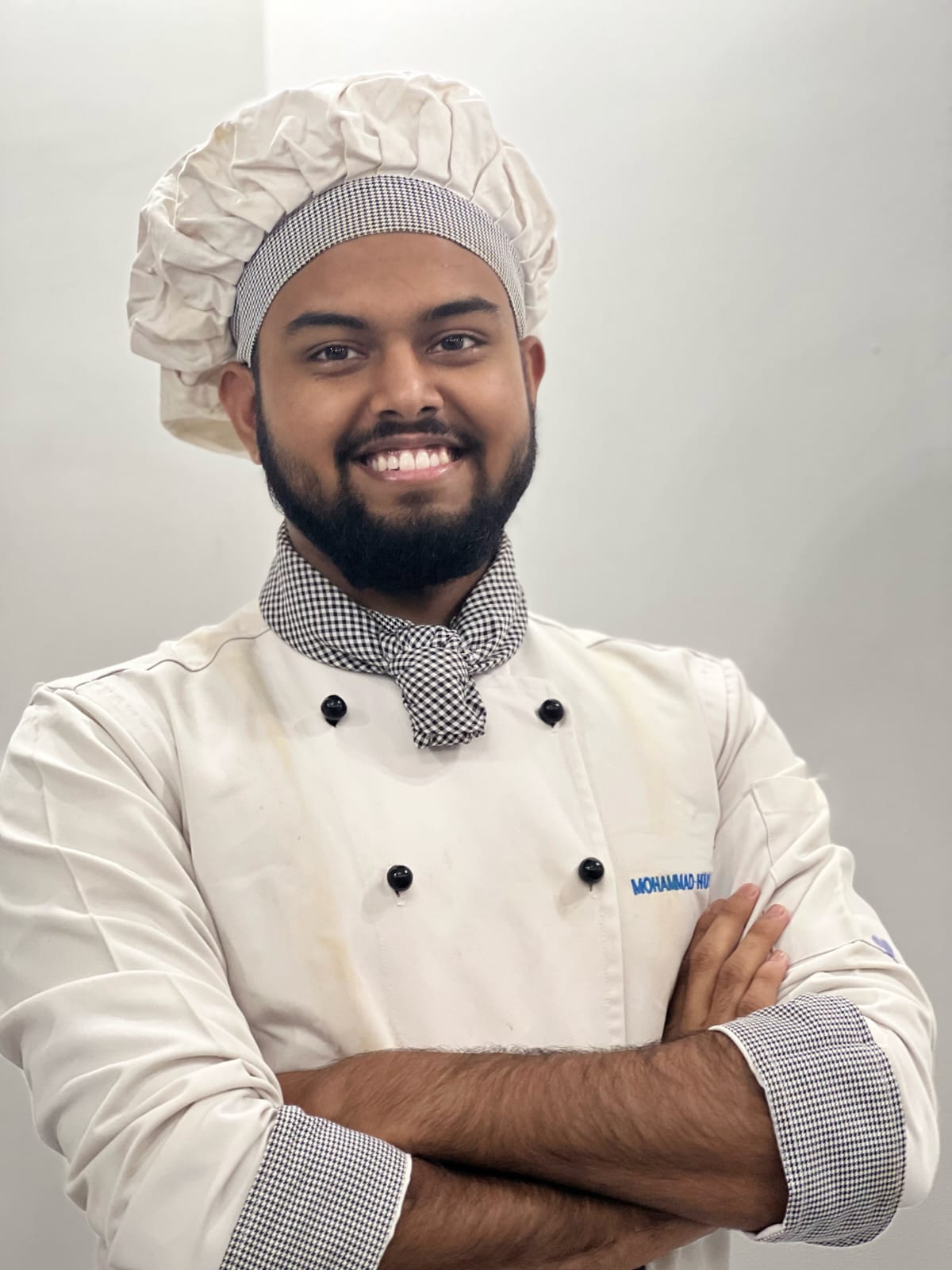
The Ala Carte Kitchen Training by Chef Mohammad Husain is a practical, industry-oriented culinary training experience designed to introduce participants to the realities of working in a professional restaurant kitchen.
Ala carte cooking is fundamentally different from bulk food production. Instead of preparing hundreds of portions in advance, chefs must produce individual dishes to order, quickly, consistently and according to the guest's expectations.
This training focuses on the complete journey of an ala carte dish—from menu understanding and mise en place to order taking, cooking, plating, pass coordination and service. Participants learn not only how to cook individual dishes, but how a professional kitchen functions during service.
What Participants Learn
01. Understanding Ala Carte Operations
The training begins with understanding how an ala carte restaurant operates. Participants explore:
- What ala carte service means
- Difference between ala carte and buffet production
- Difference between bulk cooking and cooking to order
- Restaurant kitchen hierarchy
- Kitchen stations
- Role of the chef during service
- Kitchen-to-service coordination
- Order flow
- KOT/POS systems
- Table-wise production
- Service timing
The objective is to help participants understand that an ala carte kitchen is a production system operating in real time.
02. Kitchen Brigade & Station Organisation
Participants are introduced to the organisation of a professional restaurant kitchen. Depending on the kitchen setup, stations may include:
- Garde manger, Indian, Continental, Chinese / Asian
- Tandoor, Grill, Fryer, Pasta
- Main kitchen, Pantry, Dessert
- Pass / Expo
Participants understand the importance of:
- Station ownership & Mise en place
- Communication & Cleanliness
- Preparation levels & Equipment readiness
- Coordination between stations
The training demonstrates how every station contributes to the final guest experience.
03. Menu Understanding
A chef must understand the menu before service begins. Participants learn to identify:
- Ingredients required for each dish
- Cooking methods & Preparation requirements
- Garnishes, Sauces & Accompaniments
- Portion sizes & Plating requirements
- Allergens and dietary considerations
- Expected cooking time
This allows chefs to work with the menu as a production document, rather than simply a list of dishes.
04. Mise en Place
"Before the service begins, the chef must already be ready."
Mise en place is one of the most important skills in an ala carte kitchen. Participants learn how to prepare:
- Sauces, Gravies, Stocks
- Marinades, Dressings, Dips
- Garnishes & Vegetables
- Meat and poultry portions, Seafood portions
- Pre-cooked components
- Doughs, batters and seasoning mixes
The training focuses on preparing the right quantity while maintaining freshness, quality and station efficiency.
05. Understanding the KOT & Order Flow
One of the most important aspects of restaurant service is understanding how an order moves through the kitchen. Participants learn the journey of:
They learn how to interpret:
- Table number & Covers
- Dish requirements, Modifiers & Special instructions
- Allergies
- Course sequence & Priority orders
This helps participants understand how kitchen teams work under the pressure of live service.
06. Cooking to Order
Unlike bulk cooking, ala carte food is generally prepared according to individual orders. Participants learn how to manage:
- Cooking from raw
- Partially prepared components & Batch preparation
- Finishing techniques & À la minute cooking
- Reheating where appropriate
- Sauce finishing, Last-minute seasoning & Final garnishing
The focus is on achieving the right balance between speed, freshness and consistency.
07. Cooking Techniques for Ala Carte Service
The training can cover a variety of professional cooking techniques, including:
- Sautéing, Pan-frying, Grilling, Roasting
- Braising, Steaming, Deep frying, Shallow frying
- Tandoor cooking, Baking
- Blanching, Poaching, Reduction
- Sauce finishing, Deglazing
Participants learn not only the techniques themselves, but when and why each technique is used during service.
08. Protein Preparation & Portioning
Professional ala carte kitchens require consistent protein portions. Participants can learn the preparation and portioning of:
- Chicken, Mutton, Fish, Seafood, Eggs and other commonly used proteins
Topics include:
- Portion sizing, Trimming, Marination
- Pre-seasoning, Storage, Cooking temperatures
- Resting, Finishing, Yield management
Consistency is critical because every guest ordering the same dish should receive a standardised portion and experience.
09. Sauce, Gravy & Base Preparation
Many restaurant dishes depend on components prepared before service. Participants explore the preparation and finishing of:
- Stocks, Jus, Sauces
- Indian gravies & Curry bases
- Marinades, Dressings, Dips
- Reductions & Compound preparations
The training demonstrates how base preparations can be organised so that the final dish can be completed quickly during service.
10. Timing & Synchronisation
One of the defining skills of an ala carte chef is timing. Imagine a table orders:
These dishes may have completely different cooking times. Participants learn how chefs coordinate:
- Different cooking times
- Multiple dishes, tables, and courses
- Multiple kitchen stations
The objective is to ensure that dishes reach the pass together and at the appropriate stage of preparation.
11. The Art of the Pass
The pass is where preparation becomes service. Participants learn about:
- Plating, portion, and garnish checks
- Sauce placement & Temperature checks
- Order verification & Table coordination
- Course sequencing & Communication with service staff
The chef or expeditor acts as the final quality-control point before the dish leaves the kitchen.
12. Plating & Presentation
Ala carte cooking is also about presentation. Participants learn the principles of:
- Plate selection & Portion placement
- Balance, Height, Colour, Texture
- Garnishing & Sauce placement
- Negative space & Consistency
The emphasis is not simply on making a dish look attractive, but on creating repeatable plating that can be reproduced during busy service.